- Audio News and Reviews
- 937-268-3298
- 516-327-8111
- [email protected]

Unlock Your Ears: A Beginner’s Guide to Supercharging Your Home Sound

The Impact of AV Receivers on Music Listening Experiences
January 24, 2024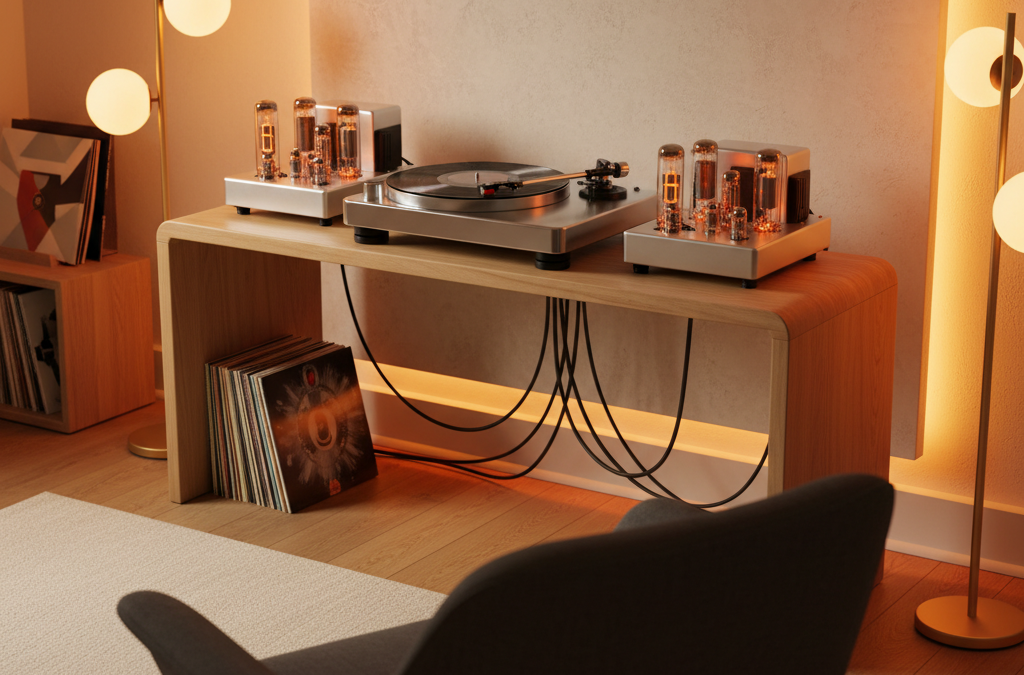
Ever wondered why some music sounds incredible, making every note sing with clarity and depth, while other systems leave you feeling flat? The world of home audio can seem daunting, but it doesn’t have to be. Whether you’re a complete novice looking to upgrade from tinny phone speakers or a seasoned audiophile seeking new perspectives, this guide will demystify the art of achieving stellar sound. We’ll explore practical tips, common pitfalls, and simple explanations to help you unlock the full potential of your favorite tunes, transforming your listening experience from passive background noise to an immersive journey.
Choosing Your Audio Adventure: Speakers vs. Headphones
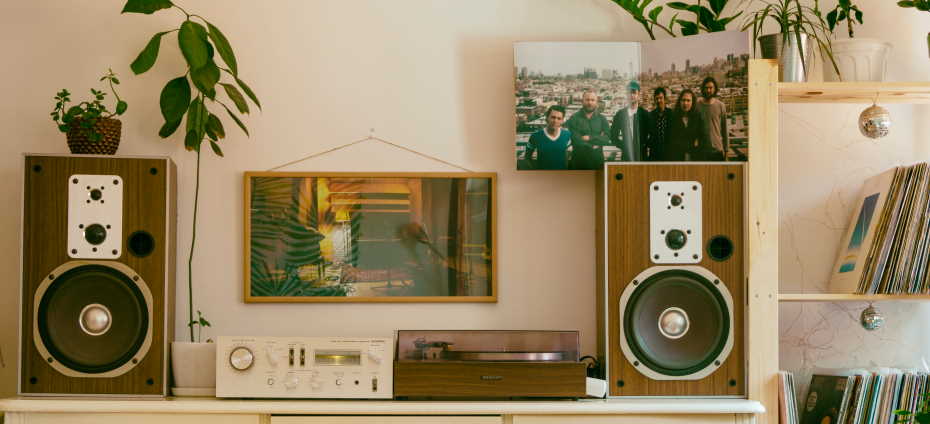
The first fork in your audio journey often comes down to personal listening preferences: speakers or headphones. Both offer unique advantages. Speakers, particularly Hi-Fi bookshelf or floorstanding models, create a shared, immersive experience, filling a room with sound. When choosing speakers, consider your room size. Small bookshelves are perfect for intimate spaces, while larger floorstanders excel in bigger rooms, offering a fuller bass response without needing a separate subwoofer. Look for terms like “frequency response” – a wider range (e.g., 20Hz-20kHz) generally means the speaker can reproduce more of the audio spectrum. Don’t fall into the trap of solely judging by wattage; efficiency (how much sound a speaker produces from a given amount of power, often measured in dB) is equally, if not more, important. A common mistake is buying overpowered speakers for a small room, leading to muddy sound or even damage. On the other hand, headphones offer a deeply personal and often more detailed listening experience, perfect for critical listening or avoiding disturbing others. Open-back headphones tend to have a wider soundstage (giving the impression of sound coming from around you, not just in your head) but leak sound, while closed-back headphones offer better isolation. Try before you buy if possible – comfort is paramount for long listening sessions.
The Heart of Your System: Understanding Amplifiers
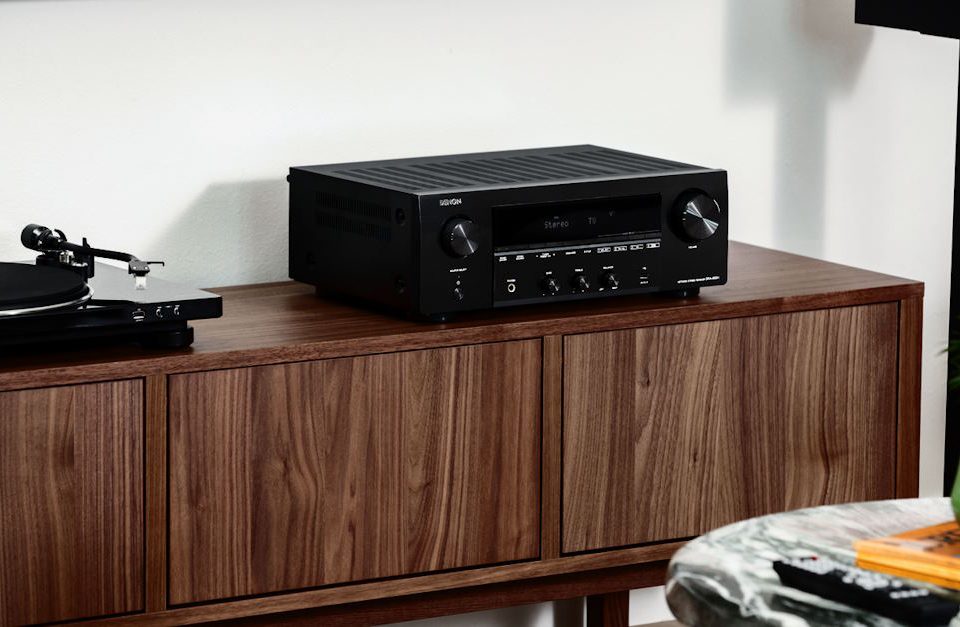
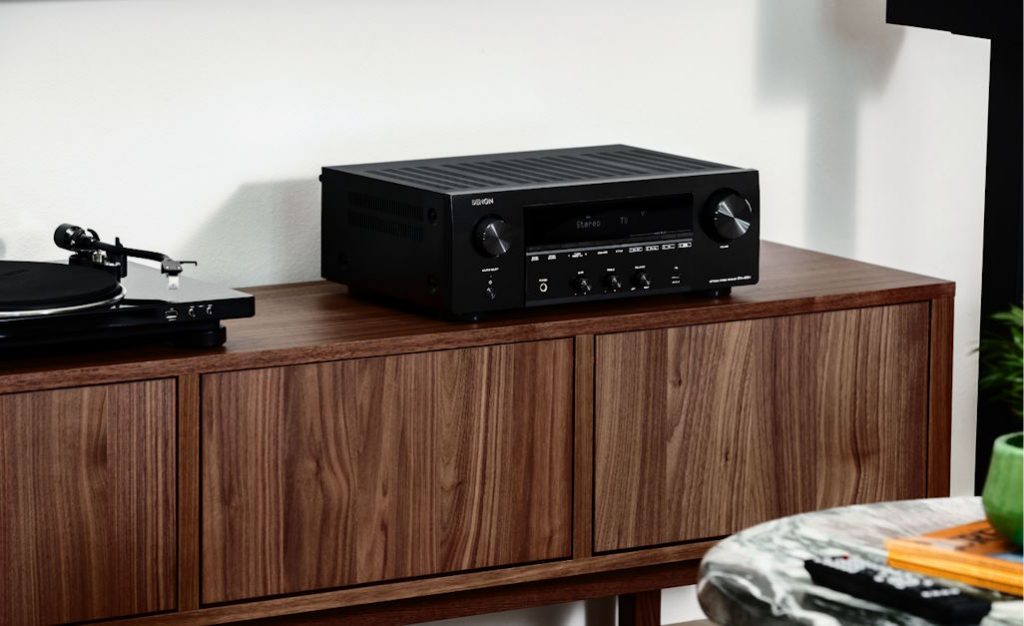
Think of an amplifier as the engine of your sound system. It takes the low-level audio signal from your source (like a turntable or streaming device) and boosts it to a level powerful enough to drive your speakers. There are two main types relevant to home audio: integrated amplifiers and receivers. Integrated amplifiers combine a preamplifier (for managing inputs and volume) and a power amplifier into one unit, offering a clean, focused audio path. Receivers, commonly found in home theater setups, add video switching, radio tuners, and often surround sound processing. For pure music listening, a good integrated amplifier often provides superior sound quality. When choosing an amp, “watts per channel” is a key specification, indicating its power output. However, more watts don’t automatically mean better sound. Aim for an amplifier that can comfortably power your chosen speakers. An underpowered amp can strain and distort, while an overpowered amp can damage speakers if misused. A simple tip for beginners: ensure the impedance (measured in ohms, typically 4, 6, or 8) of your speakers matches or is higher than the minimum impedance rating of your amplifier. Mixing an 8-ohm speaker with an amp rated for a minimum of 4 ohms is fine; using a 4-ohm speaker with an amp rated for a minimum of 8 ohms is a recipe for trouble.
Connecting the Dots: Practical Tips for Optimal Sound
Even the best components can sound mediocre with poor connections. Good quality cables make a difference, but don’t fall for exorbitant pricing; well-shielded copper cables are often more than adequate. For speaker wire, thicker gauge wire (lower AWG number) is generally better, especially for longer runs, as it reduces resistance. Ensure your speaker wires are connected with correct polarity (positive to positive, negative to negative) to avoid phase cancellation, which results in thin, lifeless sound. A surprisingly common mistake for beginners is incorrect speaker placement. Speakers typically sound best when placed equidistant from the listener, forming an equilateral triangle. Experiment with toe-in (angling speakers inwards) and distance from walls to find the “sweet spot” in your room. Additionally, consider room acoustics. Hard, reflective surfaces (bare walls, glass) can cause echoes and harshness. Soft furnishings, rugs, and even bookshelves can help absorb sound and create a more balanced listening environment. Finally, for headphones, consider a dedicated headphone amplifier, especially for higher impedance models (over 50 ohms). Your phone or computer’s built-in headphone jack often lacks the power and fidelity to drive these cans to their full potential, resulting in weak bass and overall anemic sound. By paying attention to these details, you can elevate your listening experience from good to truly extraordinary.